
Augustin-Jean Fresnel (10 May 1788 – 14 July 1827)
A French civil engineer and physicist whose research in optics led to the almost unanimous acceptance of the wave theory of light.
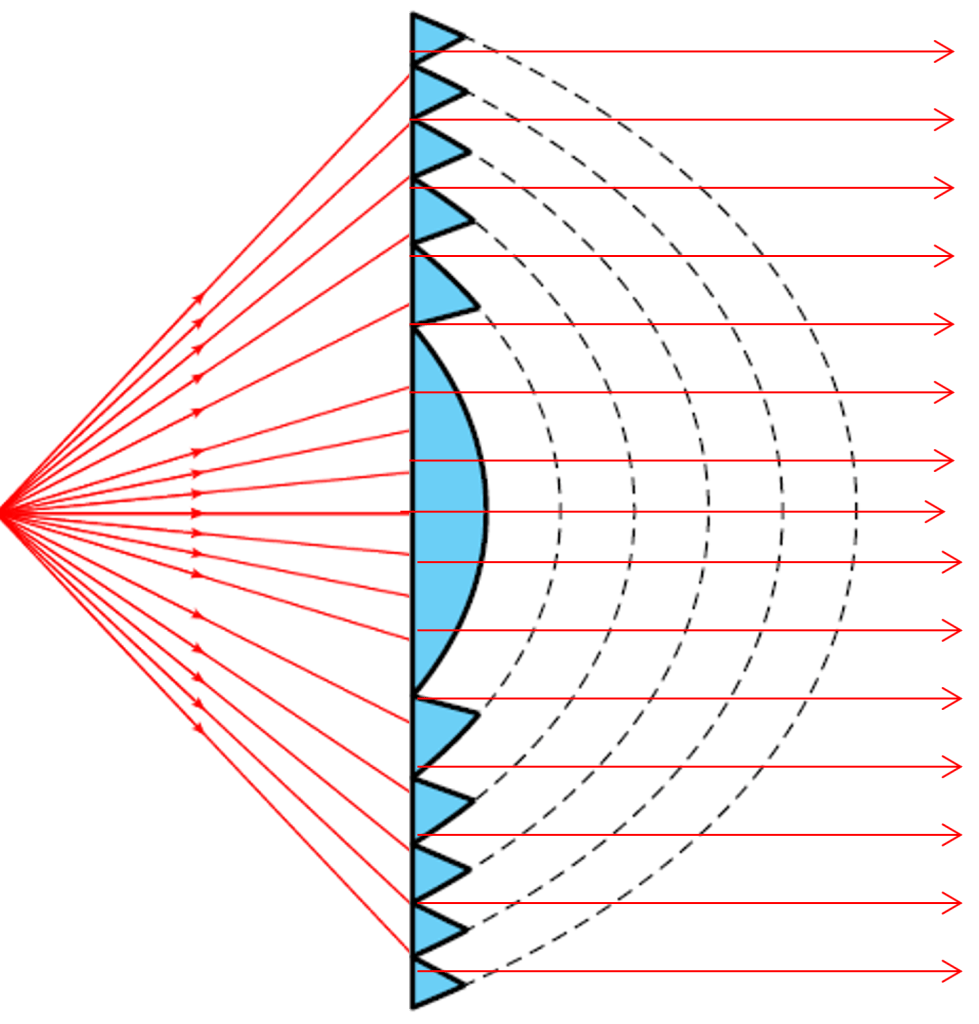
He is also known for inventing the catadioptric (reflective/refractive) Fresnel lens and for pioneering the use of “stepped” lenses to extend the visibility of lighthouses, saving countless lives at sea.
In the early 19th century, he also created a method to calculate whether a given obstacle will cause mostly in-phase or mostly out-of-phase deflections between the transmitter and the receiver: although radio waves generally travel in a relative straight line, fog and even humidity can cause some of the signal in certain frequencies to scatter or bend before reaching the receiver. This means objects which are clear of the line of sight path will still potentially block parts of the signal. To maximize signal strength, one needs to minimize the effect of obstruction loss by removing obstacles from both the direct radio frequency line of sight (RF LoS) and also the area around it.
 Fresnel Alliance